
Reduce Oxidative Stress Naturally
Senior Summary Box
- Eat a variety of colorful whole foods daily
- Move your body most days
- Prioritize sleep and recovery
- Reduce avoidable lifestyle stressors
How to Reduce Oxidative Stress Naturally
This article is the companion to Reactive Oxygen Species and Antioxidants and is part of the Common Sense Nutrition framework used throughout Seniors Fitness with Ron and the book, 'Fitness Saved My Life'.
Oxidative stress is not something to fear. It’s something to manage. And the good news is that the most powerful tools are simple, free, and available to everyone—especially as we age.
Food First: Your Primary Defense
The body relies on antioxidants from real food to keep oxidation in balance.
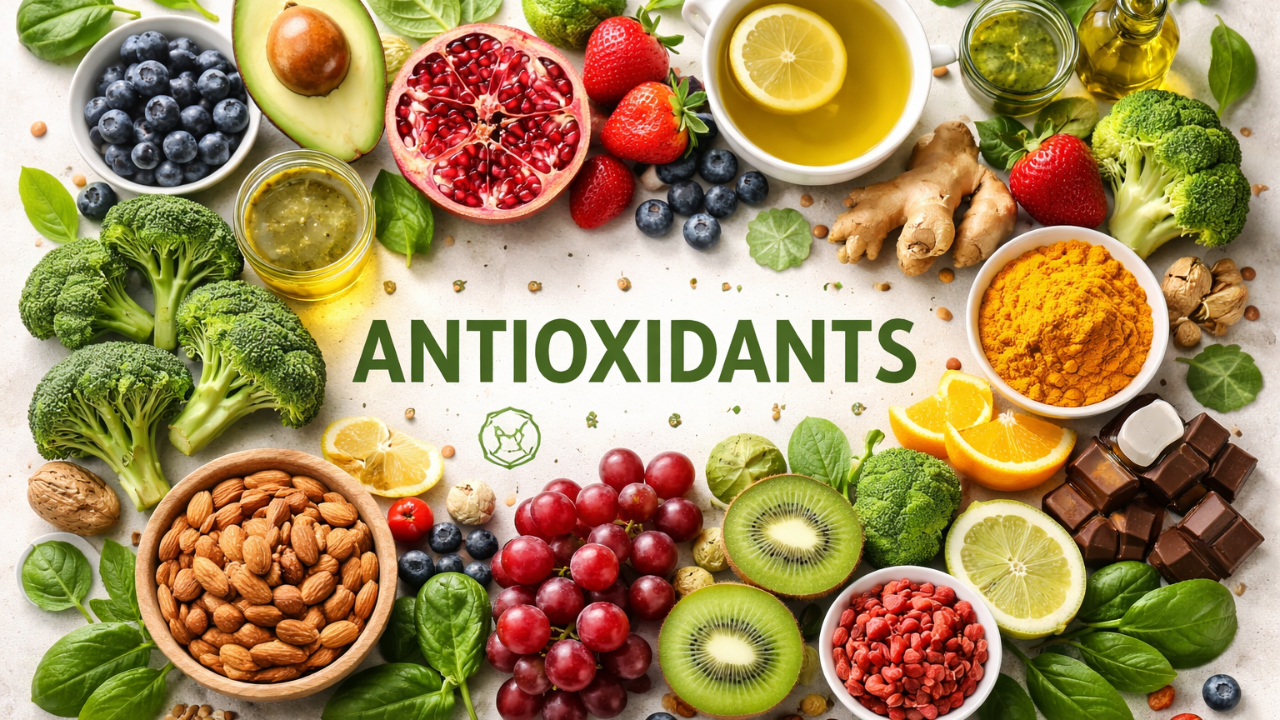
Color matters. The pigments in vegetables and fruits act as natural antioxidants. Leafy greens, berries, peppers, squash, and citrus all play a role.
This isn’t about superfoods or supplements. It’s about consistency and variety.
Exercise: Controlled Stress That Makes You Stronger
Exercise temporarily increases oxidative stress. That sounds bad—but it’s actually essential.
This short-term stress signals your body to build stronger internal antioxidant systems. Walking, strength training, swimming, cycling, and mobility work all contribute when done consistently.
Recovery after exercise matters as much as the movement.
Sleep and Stress Management
Poor sleep and chronic stress dramatically increase oxidative stress.
Sleep is when your body repairs damage and resets systems. Stress management—breathing, walking, meditation, or quiet time—helps prevent overload.
Environmental and Lifestyle Factors
Smoking, excess alcohol, ultra-processed foods, and pollution increase oxidative load.
You don’t need perfection. You need awareness and better daily choices.