
Exercise & Longevity
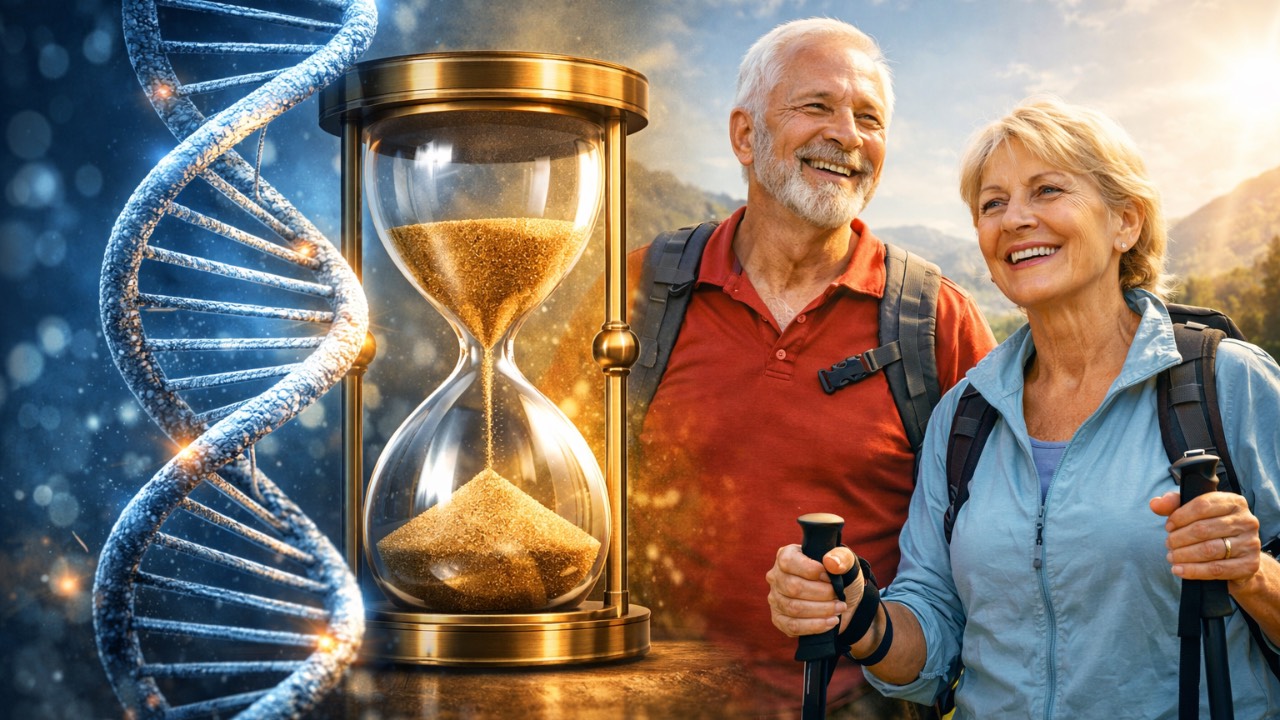
The 4 Longevity Skills
Evidence-Based Predictors of Longevity for Seniors
Seniors Summary (Read This First)
Research shows that how long and how well we live is strongly linked to a few basic physical abilities. These abilities are not about athletic performance — they reflect independence, resilience, and recovery.
The strongest predictors of longevity in older adults are:
• Cardiorespiratory fitness (your engine)
• Lower-body strength (your legs)
• Walking speed and mobility (your steps)
• Ability to get up and down from the floor (your get-up skill)
The good news: all four can be tested at home and improved at any age with consistent, sensible training.
What the Research Shows
Walking Speed:
Studenski et al. (2011) concluded that gait speed is a powerful predictor of survival in older adults, stating:
“Gait speed was associated with survival in all studies… survival increased across the full range of gait speeds.”
(JAMA, 2011)
Strength:
A large meta-analysis by Garcia-Hermoso et al. (20...
The One Simple Eating Habit That May Help Seniors Eat Less Without Dieting
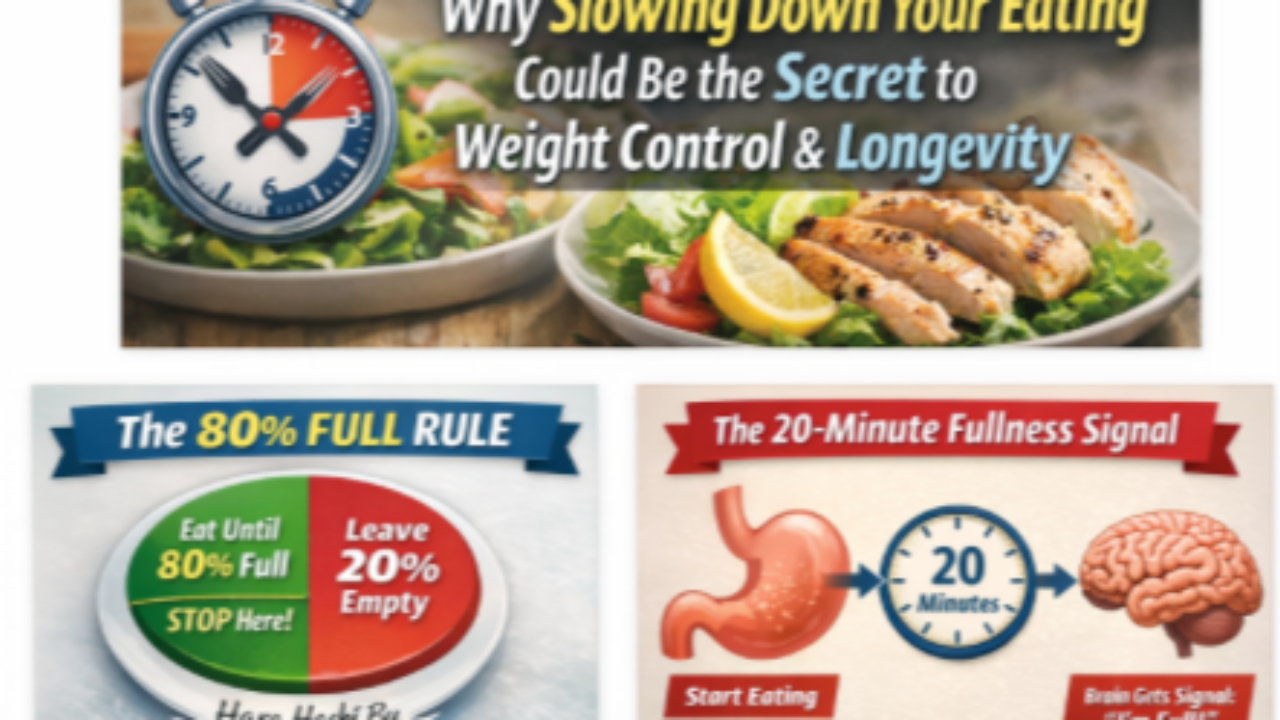
Curiosity Hook
What if one of the most powerful nutrition habits for seniors had nothing to do with what you eat — but how fast you eat it?
Seniors Summary
Many seniors focus on what foods they should eat for better health. But research shows that how fast you eat may also matter.
Eating slowly gives your body time to send fullness signals to your brain. These signals usually take about 20 minutes. When people eat too quickly, they often eat more food than they need before their brain realizes they are full.
Simple habits such as putting your fork down between bites, chewing more, and stopping at about 80% full can help control calories naturally and improve digestion.
Why Eating Speed Matters
Your body does not instantly know when you have eaten enough.
When food enters your stomach, your digestive system begins sending signals to your brain. These signals come from hormones such as GLP-1 and peptide YY, which help tell your brain that you are satisfied.
But there is a delay....
Oxidation, Bad Fats and Why They Matter
Oxidation is one of those health words that sounds complicated, but the idea is actually very simple—and very important.
Oxidized cholesterol and oxidized fats are not natural, healthy fats. They are damaged fats. In everyday terms, oxidation happens when something breaks down after being exposed to oxygen.
Think about rust.
When metal is left outside, it rusts. When a cut apple or potato turns brown on your kitchen cupboard, that’s oxidation. When cooking oil smells bad or tastes off, it has gone rancid. All of these are examples of oxidation at work.
The same thing happens inside your body.
Oxidation is not all bad. Your body uses oxygen to turn food into energy. That’s how you stay alive and active. Problems start when oxidation gets out of control and begins damaging healthy cells.
When fats and cholesterol are damaged by oxidation, they no longer behave normally. This is especially important when it comes to cholesterol.
Cholesterol itself is not the villain it’s often made out to be. Yo...