
Common Sense Nutrition
Common Sense Nutrition
By Ron La Fournie
Internal Lnks
Most people think nutrition is complicated. They jump from diet to diet, follow rules they can’t remember, count things they don’t understand, and eventually give up because life gets in the way. But Common Sense Nutrition isn’t a diet. It’s a lifestyle component—simple, sustainable, and designed to work alongside your fitness goals. You can follow it anywhere, at any age, with trackable results that show up in how you feel, how you move, and how you live.
For decades, I’ve watched people struggle with food because they were told it had to be difficult. The truth is the exact opposite. Your body knows what to do when you feed it real food. What it can’t do is thrive on ultra-processed products engineered in manufacturing plants. So, we remove the confusion and return to the basics—foods humans have eaten for thousands of years, long before the modern food industry complicated our health.
The Prescribed F...
An Interesting take on Preventing Stroke Before Help Arrives
This is not my video, but after I had a stroke in August 2025, i stumbled across this, and it struck a nerve, so I wanted to share it.
Go to this video:
Fitness Saved My Life

What would you do if your heart failed, you had a stroke, and then you got cancer — all after retirement?
Ron La Fournie chose to fight back — with fitness, both Exercise and Nutrition.
At 78, Ron is not only surviving — he’s thriving. As a certified senior fitness trainer and a three-time medical survivor, he shares the path that gave him strength, hope, and a second chance.
Inside this book, you’ll learn:
- How Ron rebuilt his body and mind after surgery, stroke, and cancer
- Simple fitness routines that work — even at 60, 70, or beyond
- A simple logical approach to nutrition that keeps on learning & growing
- The mindset that keeps him going — and how it can change your life too
This isn’t just a recovery story. It’s a roadmap for thriving in the second half of life.
About the Author
Ron La Fournie is a certified senior fitness trainer and a three-time medical survivor. With decades of real-world experience and the heart of a coach, he helps seniors stay strong, mobile, an...
Exercise of the Day
Stand with the balls of your feet just over the edge of the step. This way, you can lower your heels and get a great stretch in the calf muscles. Hold for several seconds, then move up onto your toes and hold that position for the same amount of time.
Please hold onto the stair railing for your safety.
Workout of the Month
Exercising with Arthritis is critical. It helps reduce pain, retain range of motion and build or retain strength. Do this routine a couple of times each week.
Why Seed Oils Are Bad for Our Health
Why Seed Oils Are Bad for Our Health
By Ron La Fournie
For years we have been told that fat was the enemy. Eat less fat, avoid butter, switch to “heart‑healthy” oils, and everything would take care of itself. Like many people, I followed that advice because it came from authorities we were supposed to trust.
What I’ve learned since—through study, experience, and watching my own health change—is that the real issue isn’t fat itself. It’s which fats we eat, how they’re made, and what they do inside the body.
This isn’t a diet. It’s about understanding fuel. And if you want your body to work well for decades, you need to know what you’re putting in the tank.
How Seed Oils Are Made
Seed oils include canola, soybean, corn, sunflower, safflower, cottonseed, and what’s often labeled simply as “healthy vegetable oil.” These oils come from hard seeds that don’t naturally release oil, so manufacturers use an industrial process.
The seeds are crushed and heated, then a chemical solvent cal...
Choosing The Right Fitness Tools
By Ron La Fournie
One of the biggest mistakes people make in fitness is believing they need to use all the tools.
They don’t.
Fitness isn’t about collecting methods — it’s about choosing the right ones for your body, your health, and your stage of life, then using them consistently.
That’s common sense.
Start With Where You Are — Not Where You Used to Be
Many people choose fitness tools based on who they were, not who they are now.
“I used to run.”
“I used to lift heavy.”
“I used to play sports.”
There’s nothing wrong with that history — but your current body gets the final vote.
The right tools meet you where you are today and help you move forward safely.
Your Body Is the Filter
Every fitness tool should pass a simple test:
Does it cause pain during or after?
Does it feel sustainable?
Does it help you move better in daily life?
Can you recover from it?
If the answer is no, it’s not the right tool — right now.
That doesn’t mean never. It means not yet.
Match Tools to Outcomes
Dif...
Fitness Tools
Summary
Fitness tools are not machines or gadgets — they are simple methods of movement that humans have used for thousands of years. Walking, lifting, stretching, breathing, and resting are all tools that support strength, mobility, balance, cardiovascular health, and mental clarity. When used consistently and with common sense, these tools help slow aging, prevent disease, and preserve independence. This is not about doing everything. It is about doing the basics, repeatedly, for life.
When most people hear the term fitness tools, they think of equipment — machines, programs, or expensive solutions. That was never my definition.
In common sense fitness, tools are simply the ways we move our bodies and recover from life. Nothing fancy. Nothing extreme.
Just what works — and has always worked.
Walking – The Foundation Tool
Walking is the most natural human movement. It improves cardiovascular health, joint mobility, posture, circulation, and mental clarity. If walking were a pill, it...
Fitness 101
By Ron La Fournie
External Links:
Oxidation
A Simple Introduction to Getting Started
If you are new to fitness, or returning after years away, let me start with this: fitness is not complicated—we’ve just made it that way. You don’t need fancy equipment, a gym membership, or a perfect plan. You need a few basics, some consistency, and the willingness to start where you are.
I didn’t find fitness early in life. I found it when I needed it most. And that’s why I teach it the way I do—simple, practical, and sustainable.
What Is Fitness, Really?
Fitness is your ability to move your body through daily life without pain, fear, or exhaustion. It’s bending, lifting, pushing, pulling, walking, reaching, balancing, and getting back up when you’ve gone down.
True fitness includes strength, mobility and flexibility, balance and coordination, cardiovascular health, and posture and body awareness. You don’t train these separately—you train them together by moving your body the way it was de...
Nutrition Fundamentals
Nutrition Fundamentals
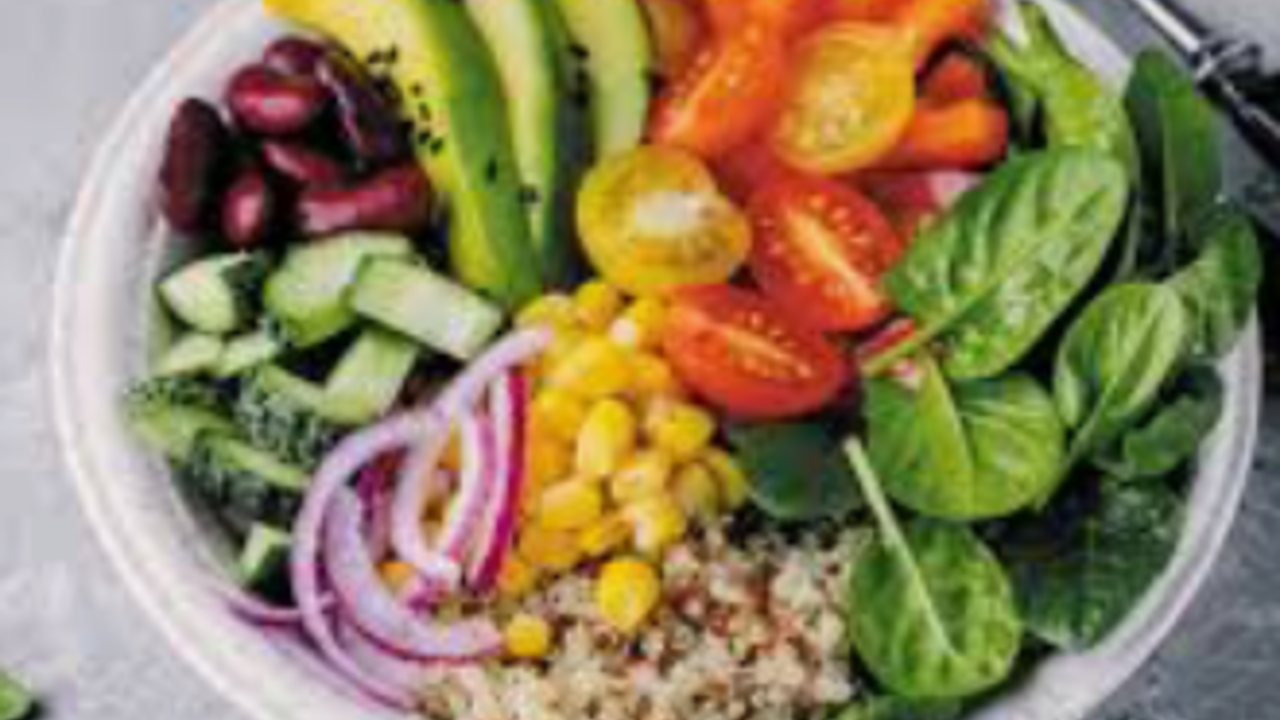
Nutrition saved my life long before I realized it.
For years, I thought fitness was mostly about exercise. If I trained hard enough, often enough, everything else would take care of itself. I was wrong. Exercise matters, but nutrition is the fuel that makes exercise work—or fail.
Nutrition and exercise are equal partners. One without the other simply doesn’t get you where you want to go.
Calories: Your Body’s Fuel
Every bit of energy your body uses comes from calories, and calories come from three sources:
Protein
Carbohydrates
Fat
These are called macronutrients. Understanding them—even at a basic level—gives you control over how you feel, how you age, and how your body performs.
Protein: The Rebuilding Nutrient
Protein is best known for building and repairing tissue. Every gram of protein provides four calories, but its real value isn’t energy—it’s structure.
Your body is constantly rebuilding itself. Muscle, bone, skin, organs—all of it is in a constant cy...