
Why Balance Declines — And Why You Don’t Have to Accept It
Internal Links
Introduction to Balance :
https://youtu.be/4gyK
Senior’s Summary
Balance usually doesn’t disappear suddenly — it fades over time.
As we age, muscles weaken, reactions slow, joints stiffen, and the brain gets less information from the feet, eyes, and inner ear. When these systems don’t work together, balance suffers.
The good news: balance is trainable at any age.
With regular movement, leg strength, and simple balance exercises, stability and confidence can improve.
You don’t need extreme workouts — just consistent, intentional movement.
For most of my life, I never thought about balance.
Most of us walked, ran, trained, climbed stairs, and got on with our day without giving it a second thought. Balance was just there—automatic, reliable, invisible.
Until it wasn’t.
What most people don’t realize is that balance doesn’t disappear overnight. It erodes quietly. Slowly. Often without warning. One day you notice you’re grabbing the railing more often. Another day yo...
Antioxidants
Reactive Oxygen Species and Antioxidants: What They Are and Why They Matter
Senior Summary Box
- Oxidation is normal; Oxidative Stress is not.
- Antioxidants help maintain cellular balance
- Real food and regular movement matter more than supplements
- Consistency over time beats quick fixes
You don’t need a science degree to understand what’s going on inside your body—but a few simple ideas can make a big difference to your health.
Two of those ideas are 1) reactive oxygen species (free radicals) the Bad Guys, and 2) antioxidants (the Good Guys. They sound complicated, but the concepts are actually very simple.
Let’s break them down in plain English.
What Are Reactive Oxygen Species (ROS)?
Reactive oxygen species—often shortened to ROS—are a natural by‑product of living. (the Bad Guys), But they're not all bad.
Every time you breathe oxygen, eat food, exercise, or fight an infection, your body produces energy. During that process, tiny unstable molecules are created. These are rea...
Cholesterol and Me - Nov 1, 2024
In August 2024, I had a Transient Ischemic Attack! Yep, in my right eye. Lasted about 1.5 minutes and then it was gone. Scared the crap out of me!
The doctors at the heart and stroke centre said they could see no damage with their tests and I should take it as a warning. These are often followed by major strokes that can be life-threatening. They also said my cholesterol was very high and I needed to go on a statin drug for the rest of my life!!! Atorvastatin at 80 mg per dose (daily). I was already on Candesartin 32 mg daily for high blood pressure, again for the rest of my life, MY first thought was BULLSHIT!!!
I started taking the prescriptions but decided that before doing anything, I needed more information than my doctors were giving me. I started researching, everywhere and everything I could find.
AI is such a godsend. I found tremendous resources and actual people who had been in my situation. I needed to narrow down the scope of what I wanted, and had to evaluate to wh...
My Stroke - August 21, 2024
My Stroke: August 2024
By Ron La Fournie
SUMMARY
In August 2024, I experienced a stroke that reminded me—once again—that fitness is not about guarantees, it’s about preparation. This article explains what happened, why awareness matters, and how years of consistent exercise changed my recovery and outlook. Fitness didn’t prevent the stroke, but it gave me the resilience to respond, recover, and continue moving forward.
I never thought I would be writing about this.
Heart disease? Yes. Open-heart surgery? Been there. That was another chapter I didn’t expect. But a stroke—especially after everything I thought I had done “right”—that one caught me off guard.
In August of 2024, my life took another sharp turn.
What I want you to understand right away is this: this is not a story about fear. It’s a story about preparation, awareness, and why fitness is not optional—especially as we age.
I Didn’t Look Like a Stroke Victim
Most people have a picture in their mind of what someone who is...
"YOU HAVE CANCER' - October 2024
'You Have Cancer'— Three Words You Never Want to Hear
SUMMARY
Being told you have cancer changes everything—instantly. This article shares my personal story of how I heard those words, what led up to them, what followed, and why fitness, mindset, and personal responsibility matter more than ever when facing a cancer diagnosis.
Internal Links (insert live URLs on website):
• Fitness Saved My Life
• Common Sense Nutrition
• How to Exercise With Heart Disease
• My Stroke: August 2024
•My Experience with Open Heart Surgery
There are four words you never want to hear.
You have cancer there.
I’ve heard them. And I can tell you this—nothing prepares you for the moment they are spoken. Time slows down. The room feels smaller. Your mind jumps ahead while your body stays frozen in place.
Cancer is not just a diagnosis. It’s an interruption.
How I Got There
In late 2023, I first noticed a small amount of blood in my urine. It wasn’t constant, and it wasn’t painful, so I didn’t think it was seri...
Sustainable Workouts
So, you have decided to work out!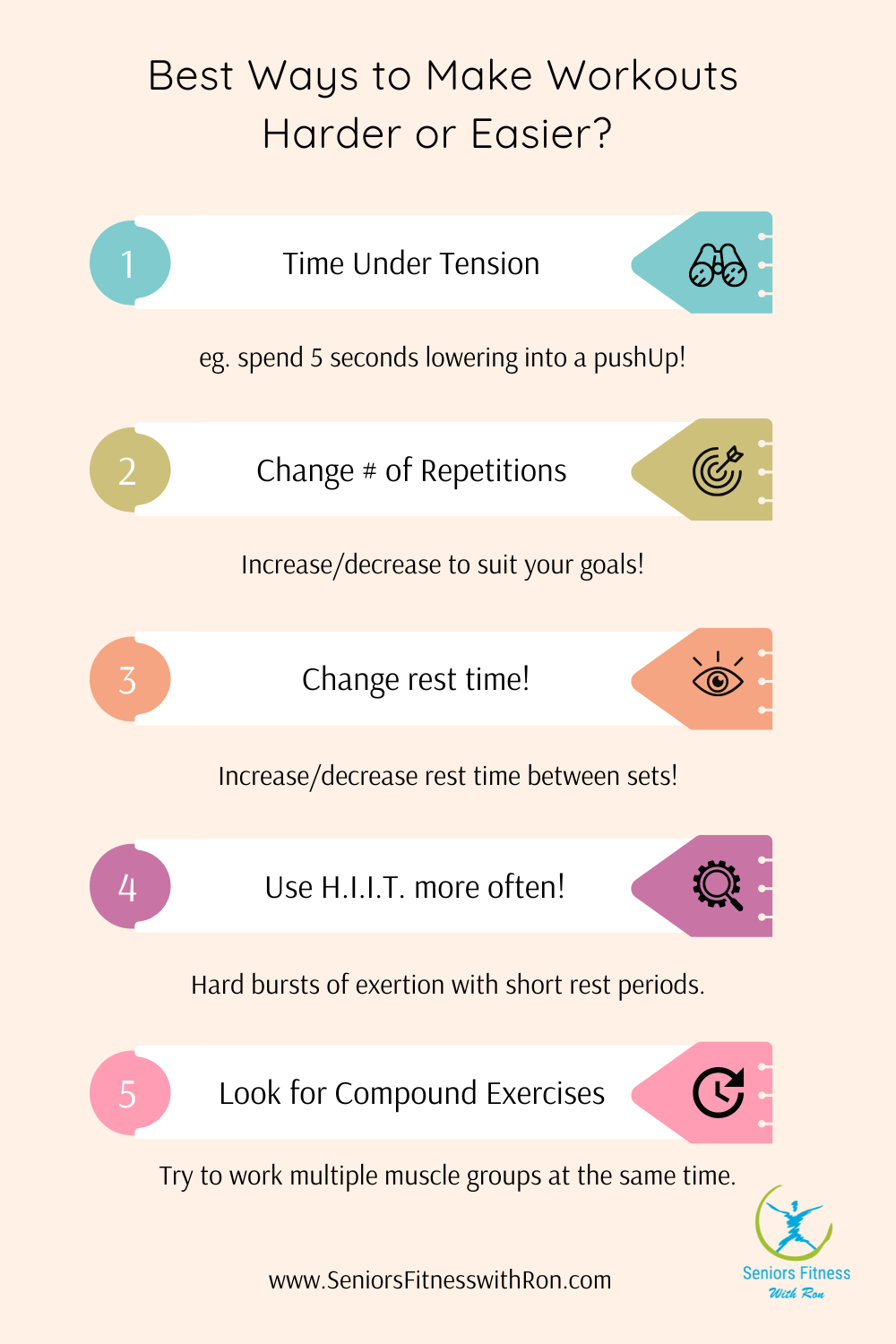
- If you are new to this, it is not easy!
- If you’re serious, you need to make it a habit!
Start as if you intend to keep it up. Pick exercises or movements you like, do them regularly and not too hard!
My ego has often told me I can do it, and I can do it harder, so I do it harder.
But, then after several days, I just don’t feel like exercising, so I skip it, maybe even for several days, and at the time, I am not sure why. But whatever the reason, I have lost a few workouts.
This is an example of overtraining! I have been guilty of this, many times over the years. It slows down your progress and often stops the whole program of improving fitness.
When I do a workout or an exercise that is fun and feels good, I now concentrate on remembering that feeling. I try hard not to overdo it. I like feeling the muscles all over my body, it makes me feel alive.
Start slow and easy. It takes time build your cardio and add muscle strength. If you ov...
My Experience with Heart Disease

My Experience with Open Heart Surgery
by Ron La Fournie
For most of my life, exercise and heart disease lived in completely separate boxes in my mind. You either had a heart problem or you exercised. It never crossed my mind that one day I might need to learn how to be physically active with heart disease—never mind high blood pressure—let alone that it could even be done safely.
I was born with a slight heart murmur, but it never slowed me down. I exercised regularly, followed structured workout programs, and assumed my heart was just fine. As it turned out, that murmur was caused by a leaky mitral valve. One of the valves in my heart wasn’t closing properly, allowing blood to flow backward after each beat. For years, it caused no real trouble and stayed quietly in the background.
Everything changed in early 2016.
I developed a severe lung infection after having pneumonia multiple times. This one lingered for months. My energy disappeared. I stopped sleeping properly because I co...
Metabolic Disease
Metabolic Disease:
What It Is, Why It Happens, and How Seniors Can Fight Back
By Ron La Fournie — SeniorsFitnesswithRon.com
Metabolic disease is a term most people have heard, but very few understand — even though millions of us are living with it every day. In my coaching work with seniors, and in my own journey to my 79th year, I’ve learned that metabolic disease is one of the most important health challenges of our time. And the truth is that many people don’t even know they have it until the symptoms have piled up so high they can no longer be ignored.
Metabolic disease isn’t a single diagnosis. It’s a cluster of problems — each one slowly nudging the body off course. Left alone, they rob us of energy, mobility, and, eventually, our independence. With the right mix of lifestyle changes, they can be slowed, improved, and even reversed.
WHAT IS METABOLIC DISEASE?
Metabolic disease (also called metabolic syndrome) is a collection of related health issues that tend to occur toget...
Causes of Aging and Death
Causes of Aging and Death
By Ron La Fournie – SeniorsFitnesswithRon.com
Most people don’t like talking about death. I understand that. But avoiding the topic doesn’t change the reality. One day, every one of us will face our final chapter—so the real question is: How much influence do we have over how that part of our life unfolds?
More than most people think.
When I wrote ‘Fitness Saved My Life’, I talked a lot about personal responsibility—how small daily decisions can change the entire trajectory of your health, what I called, ‘Raising My Aging Curve’. That message matters even more when we look at what actually ends our lives. Not to scare anyone, but to empower you. When you understand the causes of death, you also understand the causes of life—longer life, better life, and stronger life.
The Big Four
Across Canada, the United States, and most of the developed world, four categories account for the majority of deaths:
- Heart Disease
Still the number one caus...