
Are Your Genes Your Destiny?
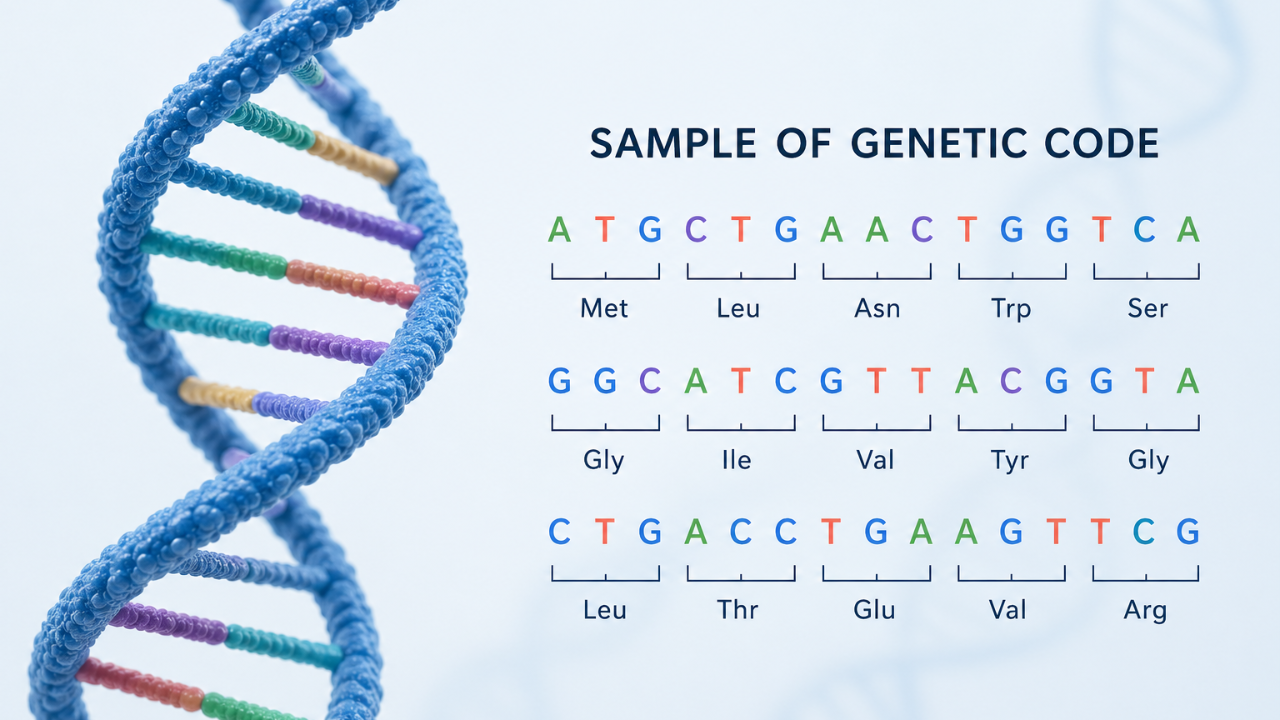
Are Your Genes Your Destiny? The Truth About Genetics and Longevity.
Many people believe their lifespan is already written in their DNA. Science shows something surprising — your daily habits matter far more than your genes.
Seniors Summary
Many seniors believe their lifespan is determined by genetics. Research shows genes usually explain only about 20–25% of how long we live. The remaining 75–80% is influenced by lifestyle habits such as physical activity, nutrition, sleep, stress management, and social connection. In other words, the way you live your life has a much bigger impact than the family you were born into.
Blog Article
How Much Do Genes Really Matter?
It is true that genetics plays a role in longevity. If many people in your family live a long time, you may have some helpful genes.
But modern research shows that genes are only a small part of the story.
Scientists who study aging have examined large populations, identical twins, and families with many people living past 100 years.
Again and again they find the same pattern: lifestyle habits have the biggest influence on how long we live.
What the Research Shows
Large genealogy studies examining millions of people found that genetics explained only about 16% of lifespan differences.
Twin studies support this idea. Identical twins share exactly the same DNA. Yet many twins live very different lengths of time.
Why? Because their lifestyles are often different.
One twin may stay active, eat well, and manage stress. The other may become inactive or develop unhealthy habits.
Over many years, those choices create very different health outcomes.
Lifestyle Factors That Influence Longevity
Researchers consistently identify several daily habits that strongly influence lifespan:
• Regular physical activity
• Maintaining a healthy body weight
• Not smoking
• Eating mostly whole, unprocessed foods
• Managing stress
• Maintaining strong social relationships
• Getting good sleep
These habits influence heart health, brain health, muscle strength, and immune function.
In simple terms, your daily habits shape how your body ages.
What This Means for Seniors
This is encouraging news.
It means your future health is not fixed.
Even in your 70s, 80s, and beyond, your body can still adapt and improve.
Research shows older adults can increase strength, balance, mobility, and endurance with regular activity.
These improvements help reduce falls, maintain independence, and improve quality of life.
Practical Application
If you want to increase your chances of living longer and staying independent, focus on these four areas:
Strength – maintain muscle and bone density
Balance – reduce fall risk
Mobility – keep joints moving freely
Endurance – support heart and lung health
Ron’s Takeaway
You cannot change the genes you were born with.
But you can absolutely change your habits.
And the habits you choose today can strongly influence the health and independence you enjoy tomorrow.
Internal Links
Suggested Internal Links
• The Longevity Test – How Fit Are You Really?
• The Aging Curve – Why Fitness Matters More After 60
Scientific References
Scientific References
Kaplanis J. et al. (2018). Quantitative analysis of population-scale family trees. Nature Genetics.
Christensen K. et al. (2006). Ageing populations: the challenges ahead. The Lancet.
Willcox D.C. et al. (2007). Caloric restriction, the traditional Okinawan diet, and healthy aging.